
Introduction
The allure of ancient design is becoming a popular trend in modern branding. From elaborate patterns to timeless symbols, the ancient style brings a sense of heritage and sophistication that appeals to audiences today. Whether it’s the elegance of Greek ornamentation or the mystical symbols of ancient Egypt, logos designed in an ancient style evoke history and craftsmanship. This blog aims to guide you on how to design a successful ancient-style logo that effectively conveys both tradition and modern relevance.
Part I: Understanding Ancient Style
Visual Characteristics of Ancient Style
Ancient design is characterized by symmetry, ornamentation, and natural elements. These visual characteristics make ancient-style logos look balanced, intricate, and visually pleasing. Symmetry, for example, reflects the structured harmony of ancient temples and monuments. Ornamentation, seen in motifs such as vines or spirals, reflects the detail-oriented craftsmanship of the past. Natural elements like the sun, animals, and plants were frequently used to symbolize life, strength, or divinity.
Styles of Different Ancient Civilizations
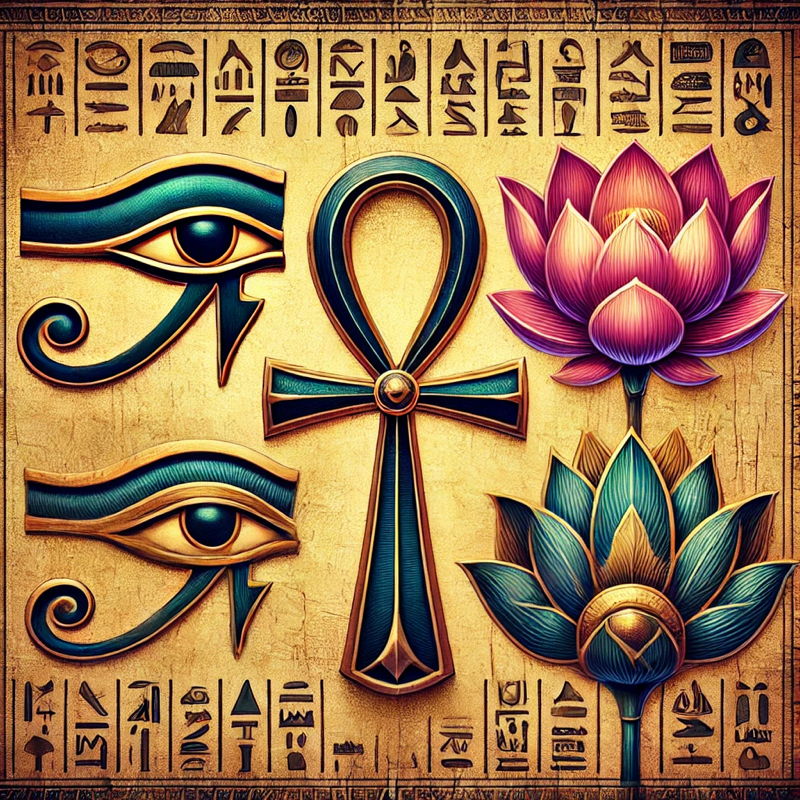
- Ancient Egypt: Egyptian design is known for its use of symbolic motifs like the ankh (symbolizing life), the eye of Horus (protection), and the lotus flower (purity and rebirth). The color palette often includes gold, black, and turquoise—representing wealth, death, and life respectively. Egyptian aesthetics also emphasize symmetry and bold iconography.
- Ancient Greece: Greek design focuses on geometric patterns, columns, and laurel wreaths. The color schemes often include natural tones such as white, terracotta, and bronze. Greek logos can evoke notions of knowledge, democracy, and timeless beauty.
- Ancient Rome: Roman design features laurel wreaths, eagles, and columns, symbolizing power, authority, and legacy. Colors like deep red, gold, and silver are commonly used to convey the grandeur of the empire. Roman styles are often symmetrical and bold, designed to make a lasting impact.
- The Middle Ages: Medieval style is characterized by heraldry, shields, and Gothic elements. The color palette often includes dark shades like navy, crimson, and gold. Medieval logos evoke a sense of chivalry, nobility, and tradition.
Modern Brands Inspired by Ancient Style
Brands such as Terrace have successfully used ancient Greek motifs like the Medusa head to convey luxury and allure. Another example is Caesars Palace, which uses Roman imagery—such as laurel wreaths and classical columns—to evoke a sense of grandeur and opulence. These examples illustrate how ancient design elements can make a modern brand feel iconic and prestigious.
Part II: Tips for Designing Ancient Style Logos
1. Symbol Choice
The right symbol can bring depth and meaning to an ancient-style logo. Here are some classic ancient symbols to consider:
- Snake Staff (Caduceus): Represents commerce, negotiation, and balance. Commonly associated with Hermes, the Greek messenger god.
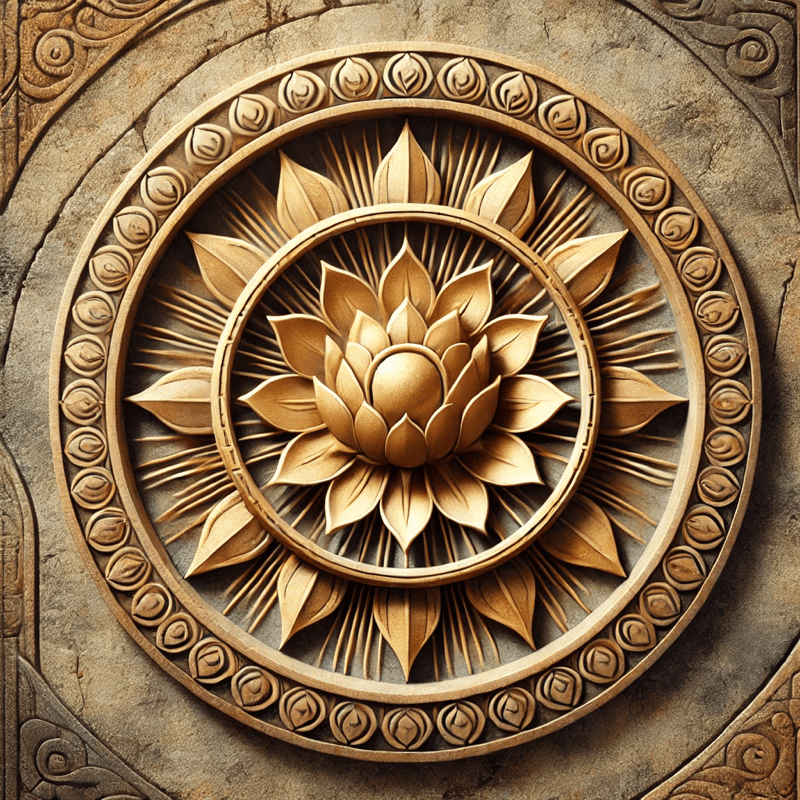
- Sun Wheel: Symbolizes life, power, and the cyclical nature of time. It’s often seen in many ancient cultures, from the Celts to the Egyptians.
- Lotus: Represents purity, rebirth, and divine beauty. Popular in Egyptian and Hindu cultures.
When choosing a symbol, it’s essential to consider its cultural significance and ensure it aligns with your brand’s story. For instance, using a laurel wreath might work well for a brand emphasizing achievement or prestige. The lotus could be a good fit for a wellness or beauty brand.
2. Font Selection
Fonts are another crucial element in achieving an authentic ancient look:
- Trajan: Inspired by Roman inscriptions, Trajan is an elegant choice for an ancient Roman vibe, often used for movie titles or luxury brands.
- Garamond: Although not ancient, Garamond has a classic feel that conveys sophistication, making it suitable for a brand wanting to evoke heritage.
- Cinzel: This font is a modern interpretation of classical Roman inscriptions, combining elegance with readability, perfect for an ancient yet versatile logo.
For an added touch of authenticity, consider modifying the font to include texture. Use styles such as stone etching or parchment wear. This modification will make it appear as if it’s been through centuries of history.
3. Color Palette
The color palette for an ancient-style logo plays a significant role in creating the desired mood:
- Earthy Tones: Browns, greens, and golds reflect the natural world and convey a sense of longevity and history.
- Muted Gold and Rich Browns: These colors give an impression of wealth, elegance, and timelessness.
- Royal Purples and Deep Reds: In ancient times, these colors were associated with nobility and power due to the rarity of the dyes.
Using a restrained color palette will help maintain the timelessness of the design, while small accents in contrasting colors can add visual interest and highlight key elements.
4. Adding Texture and Patterns
To further enhance the ancient feel, consider incorporating textures and patterns:
- Stone Texture: Adds a sense of weight and permanence, as if the logo were chiseled from stone.
- Parchment Effect: Creates a worn, aged look, making the logo seem like it has a long history.
- Geometric Patterns: Reflect ancient architectural designs, adding an ornamental touch without overpowering the main symbol.
5. Balancing Simplicity and Detail
While ancient designs can be highly ornamental, it’s important to maintain a balance between simplicity and detail. Too many elements can make the logo appear cluttered, while a well-chosen symbol with subtle detailing can evoke the desired historical feel without overwhelming the viewer. Symmetry is key—aim for a well-proportioned logo that feels both structured and visually balanced.
6. Blending Ancient with Modern
Remember that while your logo should evoke the ancient world, it also needs to be practical for today’s digital applications. This means ensuring that the design works well across different media—whether on a website, social media, or printed materials. Adding a modern twist, such as simplified lines or versatile color usage, can help keep the logo relevant and adaptable.
Conclusion
Designing an ancient-style logo can be a creative journey through time. By carefully selecting symbols, fonts, colors, and textures, you can create a logo that embodies the richness of history. At the same time, it stays relevant in the modern world. Whether your brand aims to convey strength, sophistication, or cultural depth, an ancient-style logo can help you tell a story. This story resonates across centuries.
Ready to bring history into your branding? Use Logo AI to create your very own ancient-style logo today!
 Logo AI Design | AI-Powered Logo Design - Custom Branding Solutions
留下评论